
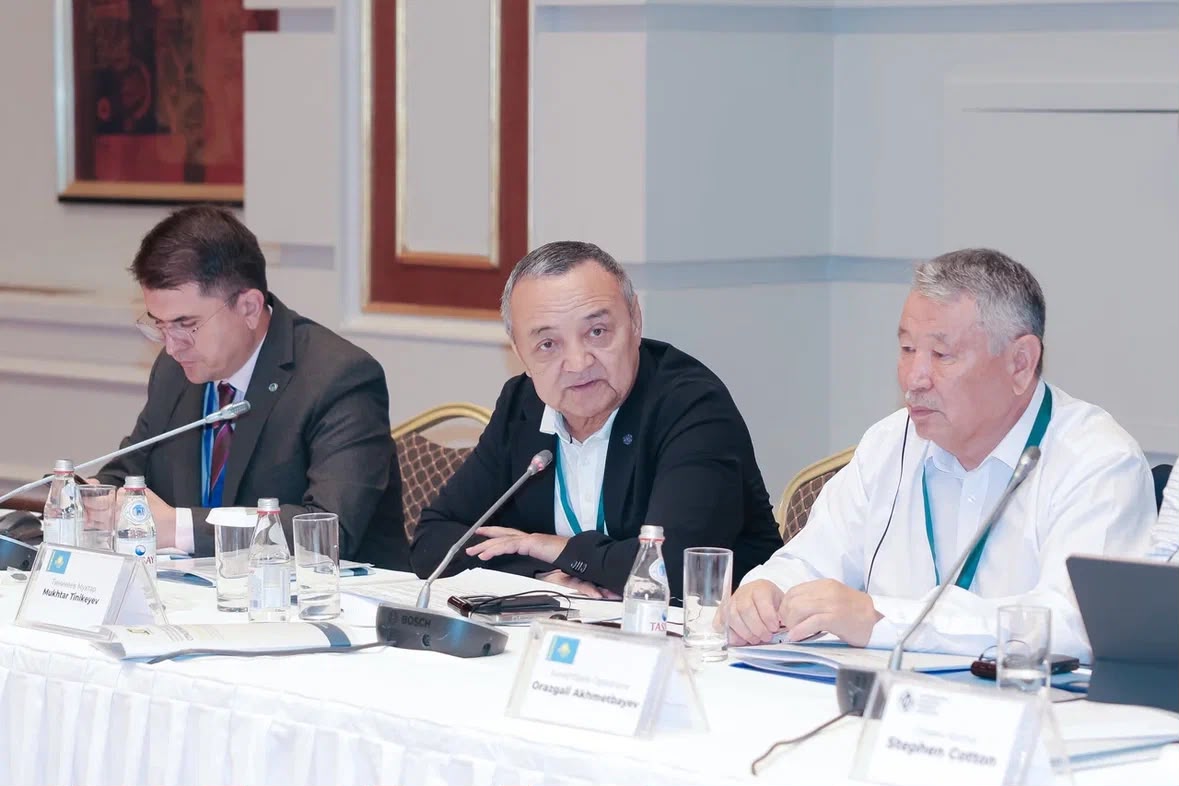
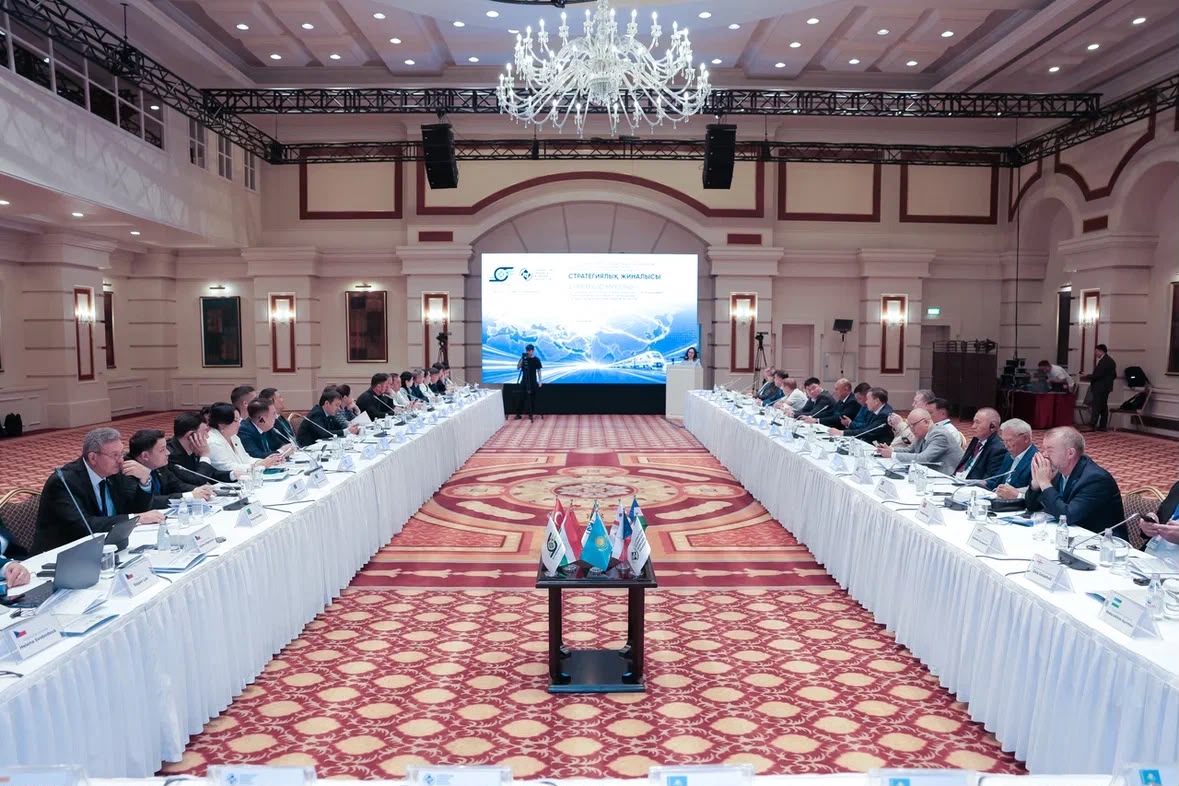
On Tuesday, 11 August, Mukhtar Tinikeev, First Deputy Chairman of the Federation of Trade Unions of the Republic of Kazakhstan, took part in a meeting of the leaders of transport trade unions of Central Asia and a trade union meeting on the Trans-Caspian International Transport Route (TITR).
The two-day event is being held on 11–12 August with the participation of representatives of the Federation of Trade Unions of the Republic of Kazakhstan, the International Transport Workers’ Federation and transport trade unions from the countries of the region.
Participants are discussing the development of international trade union cooperation, the protection of labour rights, workers’ safety, vocational training and cross-border coordination along the TITR.
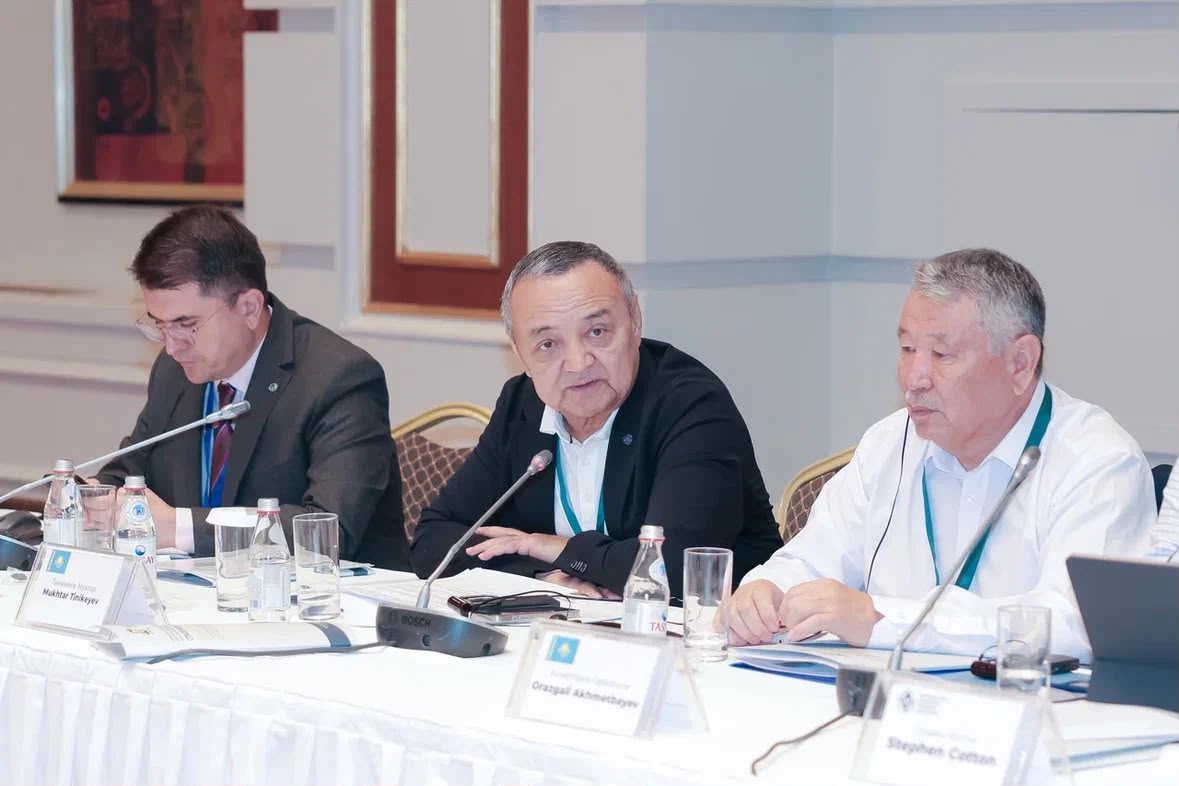
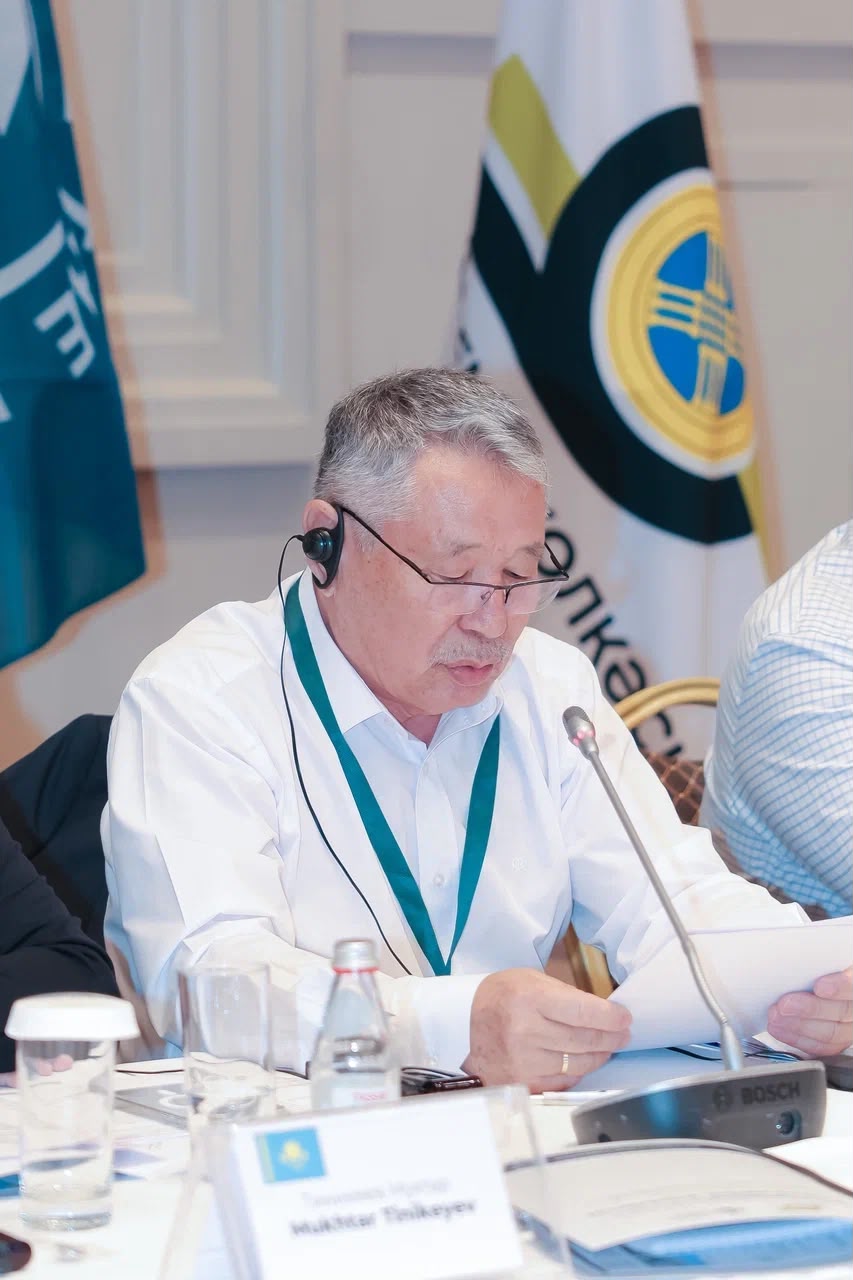
Welcoming the participants, First Deputy Chairman of the Federation of Trade Unions of the Republic of Kazakhstan Mukhtar Tinikeev stressed that, for Kazakhstan, the development of the transport trade union movement is of not only practical but also historical importance.
“More than 120 years ago, the history of the trade union movement in our country began precisely among railway workers and miners. Therefore, the railway trade union is not only part of the modern system of social partnership, but also an important page in the history of Kazakhstan’s labour movement. We are grateful to the veterans of the trade union movement who laid the foundation for solidarity, the protection of labour rights and respect for working people,” Mukhtar Tinikeev noted.
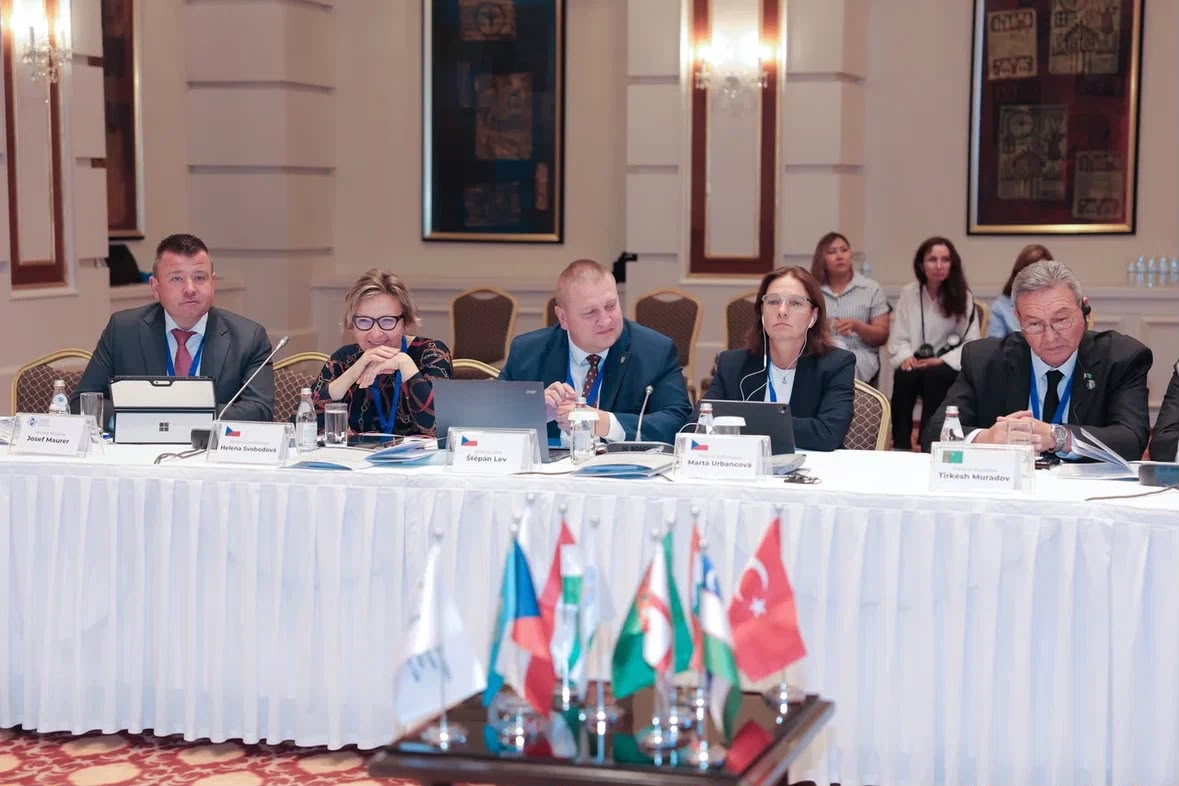
Today, the Kazakhstan Sectoral Trade Union of Railway, Road, Air and Water Transport Workers brings together 15 local trade unions, 279 primary trade union organizations and more than 96,000 workers. In the railway industry, a Sectoral Agreement for 2024–2026 is in effect, while collective bargaining coverage in organizations affiliated with the sectoral trade union stands at 100 percent.
Highlighting these achievements, the First Deputy Chairman of the FTURK emphasized the importance of systematic social partnership.
In his speech, Mukhtar Tinikeev paid particular attention to the changes taking place in the transport sector.
“Today, the transport industry faces new challenges. Digitalization, automation and artificial intelligence are developing, logistics routes and qualification requirements for workers are changing. We must respond in advance to changes associated with automation and digital transformation. The trade union must not be an observer, but a full-fledged participant in these processes — protecting workers, participating in the development of new approaches to work organization and ensuring opportunities for training and professional development,” the First Deputy Chairman of the Federation of Trade Unions of the Republic of Kazakhstan emphasized.
In this regard, as the speaker stressed, vocational training, retraining and professional development are becoming one of the important areas of trade union work. Workers must be provided with opportunities to acquire new competencies and adapt to technological changes, while employment and working conditions must be taken into account when introducing new production solutions.
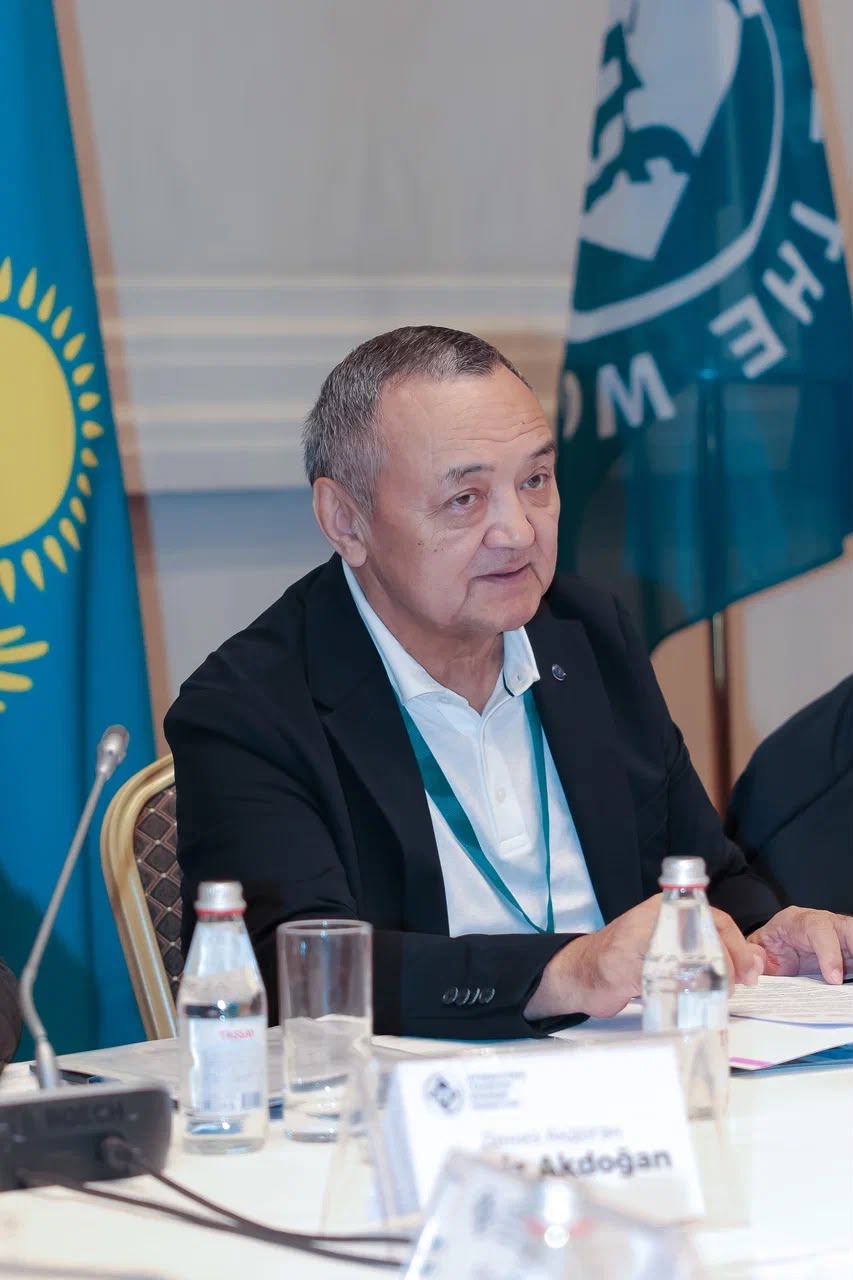
Mukhtar Tinikeev also highlighted the importance of the Trans-Caspian International Transport Route for Kazakhstan.
“For Kazakhstan, the TITR is not only an economic and infrastructure project. It represents the formation of a new transport chain connecting countries and thousands of workers. Here, we must ensure not only the efficiency of transportation, but also decent work, safety and social protection for the people who ensure the functioning of the corridor,” the First Deputy Chairman of the Federation of Trade Unions of the Republic of Kazakhstan noted.
In his view, the expansion of international transport links requires corresponding development of international trade union cooperation.
“We believe it is fundamentally important that the more countries and workers participate in a single transport chain, the stronger international trade union solidarity should be. In this regard, we propose developing permanent cooperation among railway trade unions of Central Asian countries and the states participating in the TITR,” Mukhtar Tinikeev emphasized.
Particular attention was paid to occupational safety. For the transport sector, this issue is of fundamental importance, as workers’ safety is directly linked to the resilience of the entire transportation system.
“The railway industry is one of the sectors where human error can have serious consequences. Therefore, a safety culture must become a shared responsibility of employers, the state and trade unions,” said the First Deputy Chairman of the FTURK.
Concluding his speech, Mukhtar Tinikeev expressed the Federation of Trade Unions of the Republic of Kazakhstan’s readiness to further cooperate with the International Transport Workers’ Federation and trade unions of the countries of the region.
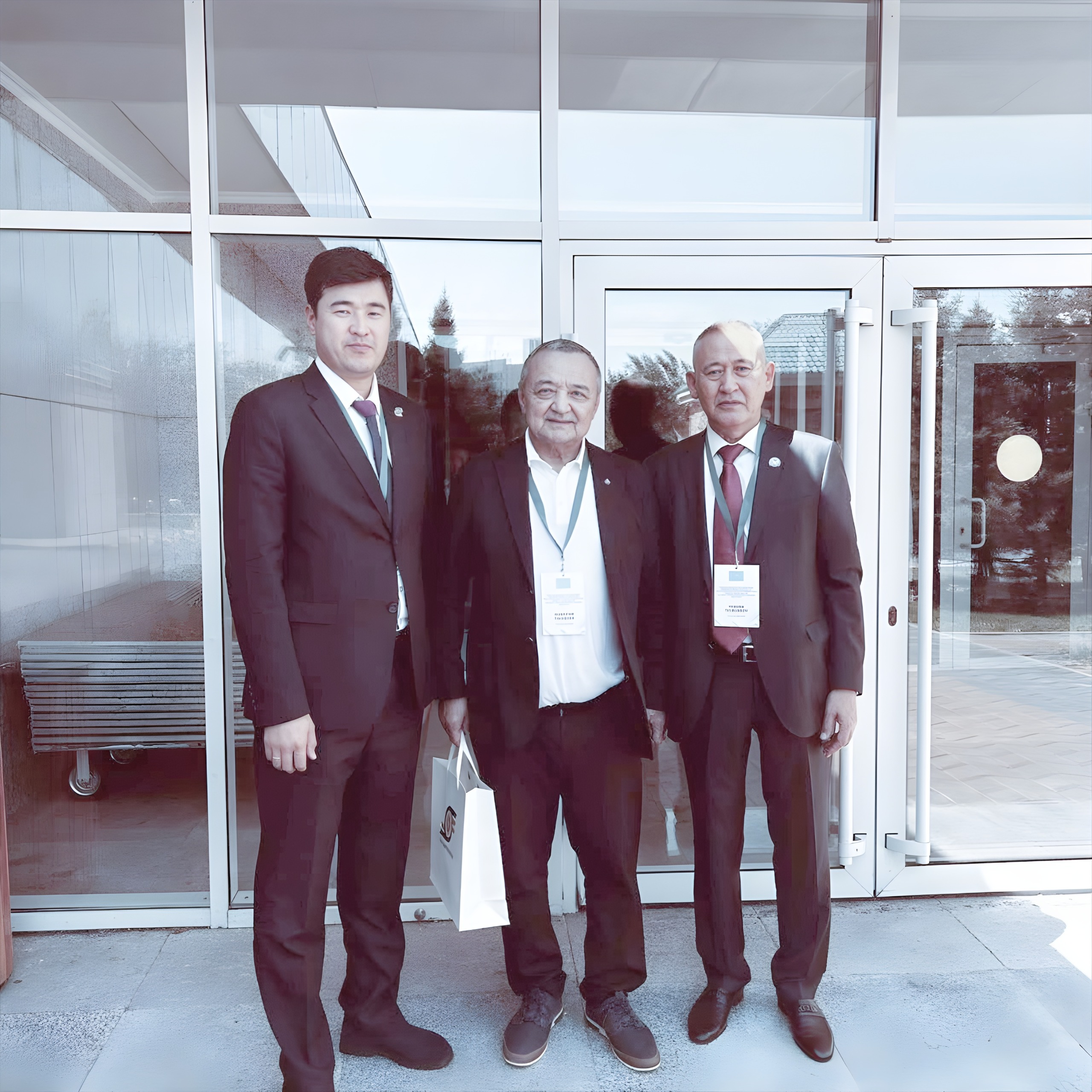
In turn, Orazgali Akhmetbayev, Chairman of the Kazakhstan Sectoral Trade Union of Railway, Road, Air and Water Transport Workers, presented the sectoral trade union’s position on the development of the transport industry and international trade union cooperation.
In his speech, he emphasized that the transport system is developing significantly faster today than before, and that the nature of work is also changing alongside infrastructure and technological transformations.
According to him, the expansion of international transport routes should be accompanied not only by an increase in transportation volumes, but also by strengthened social guarantees for workers.
The Chairman of the sectoral trade union noted that, for transport workers, issues of safety, stable employment, decent wages and professional development are directly linked to the transformations taking place in the industry.
“Today, our task is not simply to respond to changes, but to participate in shaping them. Digitalization, automation, the introduction of new technologies and changes in logistics will inevitably affect professions and requirements for workers. Our task as a trade union is to ensure that technological development does not lead to a reduction in social guarantees. On the contrary, people must remain at the centre of these changes,” he said.
According to Orazgali Akhmetbayev, professional training requires particular attention.
“We must think in advance about which professions and competencies will be in demand tomorrow. When technology changes, the requirements placed on people change as well. Therefore, training, retraining and professional development should become a permanent part of labour policy. Trade unions must ensure that workers are not left alone to deal with technological changes,” the Chairman of the sectoral trade union emphasized.
He also stressed the role of the International Transport Workers’ Federation as a platform that makes it possible to bring together the experience of national trade unions and develop a common position for transport workers.
Orazgali Akhmetbayev noted that the Kazakhstan sectoral trade union is ready to continue participating in the development of such cooperation and to bring issues directly affecting transport workers to the international level.
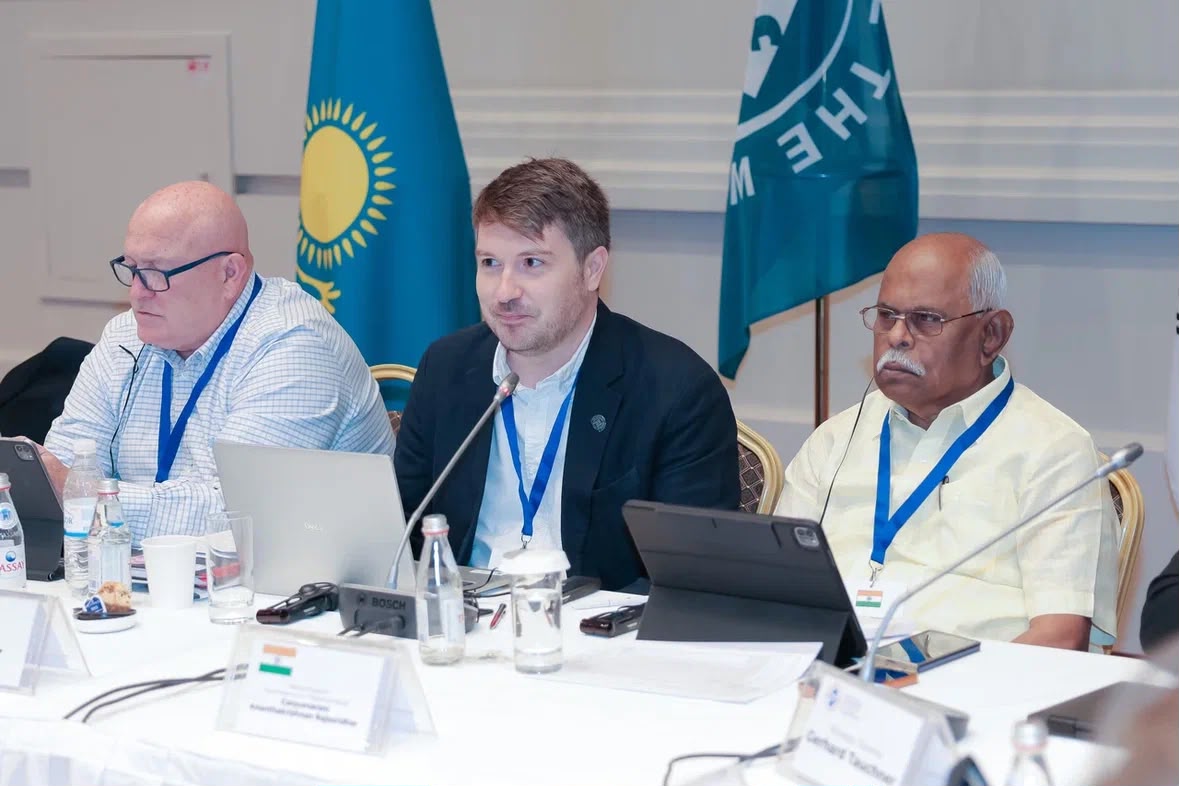
The need for closer cooperation among transport trade unions was also highlighted by Stephen Cotton, General Secretary of the International Transport Workers’ Federation (ITF). He stressed that the development of international transport routes is changing not only the economics of the industry, but also the conditions in which thousands of people work.
The head of the ITF noted that the development of the Trans-Caspian International Transport Route creates new opportunities for economic cooperation, while at the same time presenting trade unions with new challenges.

“Behind every transport operation are people — train drivers, drivers, port workers, logistics workers, technical personnel and many others. Their work must be safe, fairly paid and protected. The development of transport infrastructure must go hand in hand with the development of decent work,” he said.
Stephen Cotton also stressed the importance of ensuring that workers and their representatives are included in processes related to the transformation of the transport industry.
According to him, cooperation among transport trade unions in Central Asia is becoming particularly important amid the development of international transport routes.
“For us, it is important not simply to participate in individual meetings, but to be partners in long-term work. We are ready to support the training of trade union leaders, exchange of experience, development of joint initiatives and strengthening trade union presence in cross-border transport chains,” Stephen Cotton noted.
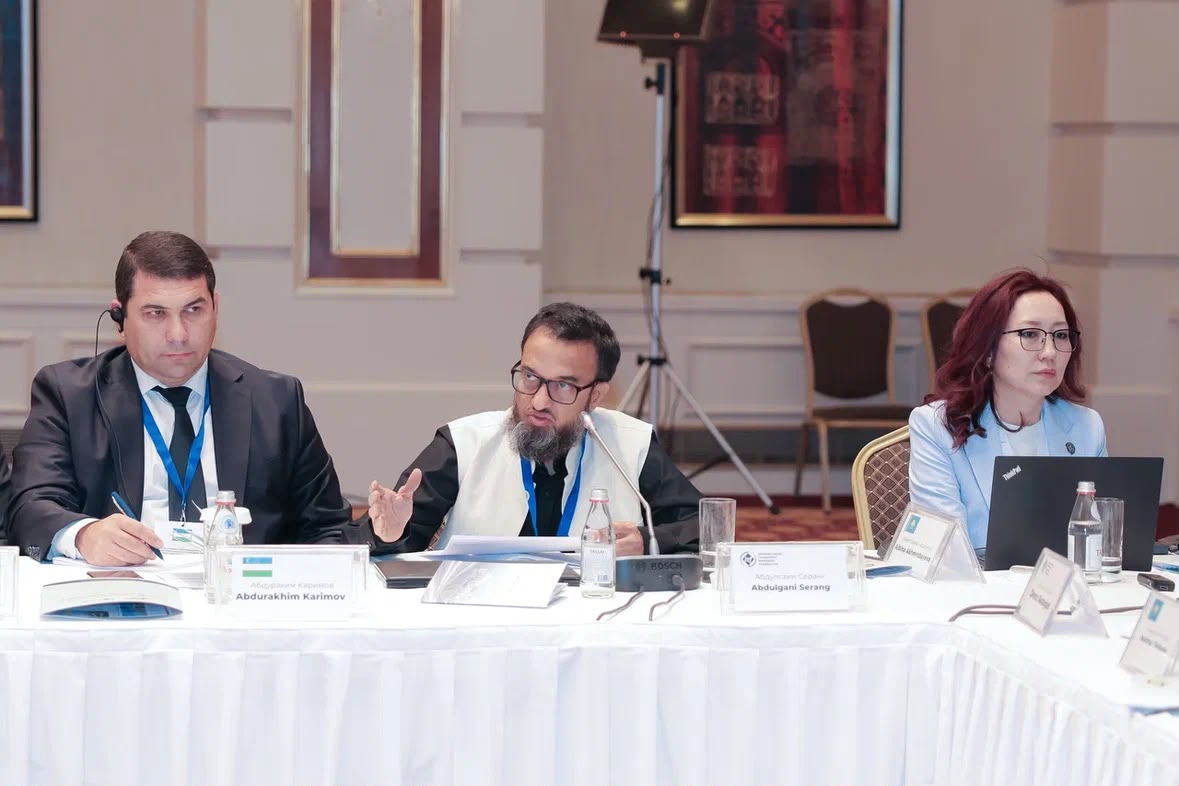
He expressed confidence that the meeting in Astana would lay the foundation for further practical steps and closer coordination among the region’s transport trade unions.
As part of the first day of the meeting, a trade union round table was held, during which participants discussed the current situation in the transport industries, sectoral challenges and prospects for regional cooperation.
A separate session was devoted to the implementation of the decisions of the International Transport Workers’ Federation Congress in Central Asia. Issues considered included workers’ rights, equality, safety in railway transport, sustainable development and responsibility in supply chains.
As part of the practical programme, participants also discussed cross-border transport cooperation and the development of the TITR.
Trade union representatives exchanged experiences and discussed cooperation in railway, road, logistics and other segments of the transport system.
The meeting of the leaders of Central Asian transport trade unions and the trade union meeting on the TITR will continue on 12 August. The programme includes a visit to the Innovation Centre of JSC “NC Kazakhstan Temir Zholy” and discussions on establishing a network of railway workers’ trade unions along the Trans-Caspian Corridor.
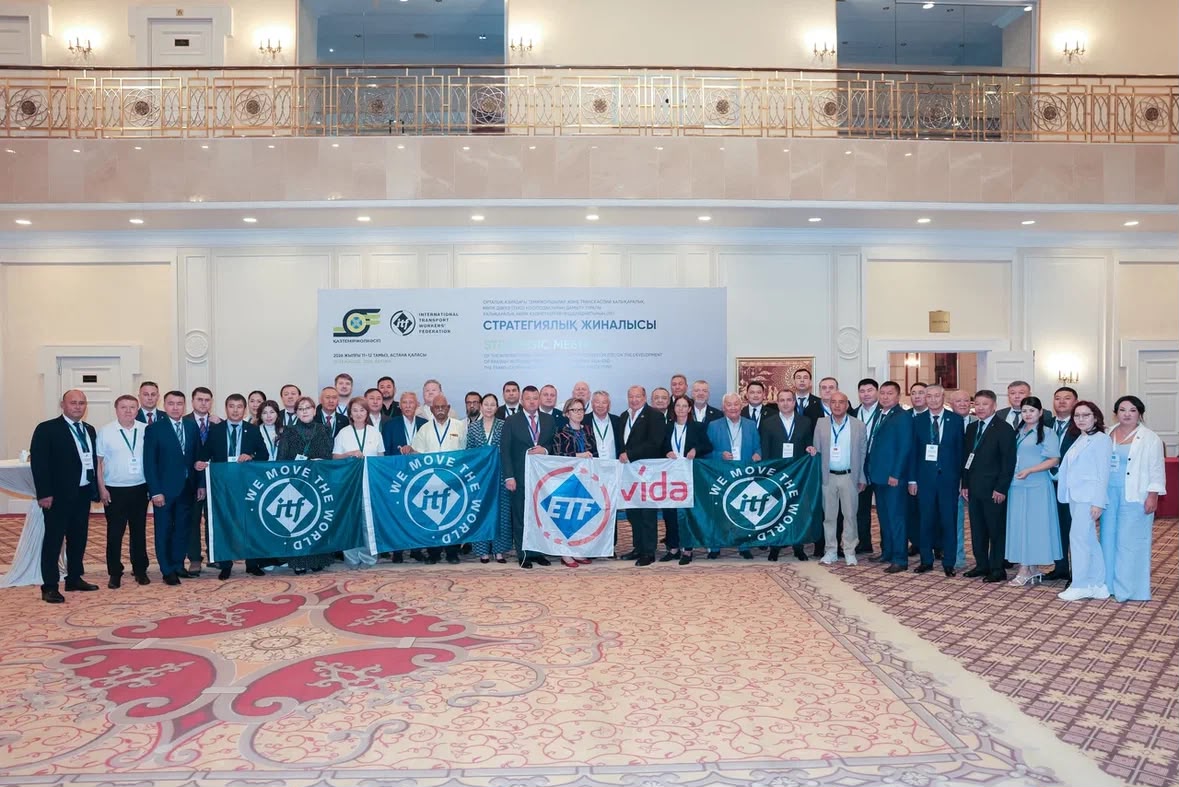
In addition, participants will consider the development of rail freight transportation and supply chains, investment, workers’ rights, cross-border transportation and comprehensive due diligence on compliance with social and labour standards throughout supply chains.
Background information: The International Transport Workers’ Federation (ITF) is a global trade union federation bringing together 760 trade unions representing 16.6 million workers in 150 countries. The organization was founded in 1896 and is headquartered in London, United Kingdom.
The ITF brings together trade unions representing workers in various modes of transport, including rail, aviation, maritime, port, road and urban transport, as well as fisheries and tourism.
The Federation represents workers’ interests at the international level, promotes trade union solidarity, protects labour rights, improves safety and advances decent working conditions in the transport sector.
FTURK Trade Union Communications Centre